Home Prices in 2026: Stability Over Spike
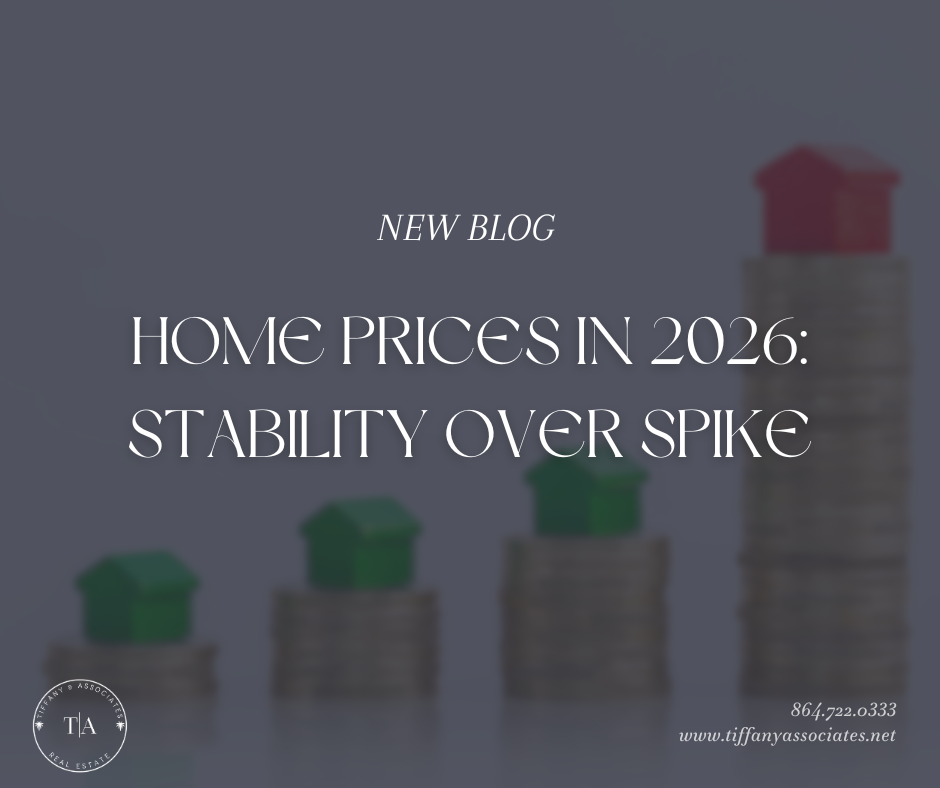
After years of dramatic increases followed by periods of uncertainty, the U.S. housing market is entering a new phase — stability. Instead of the sharp surges that once defined the real estate headlines, 2026 is shaping up to be a year of measured growth and healthier price behavior. For buyers, sellers, and investors alike, this shift signals a more predictable and strategic environment.
A Market Cooling Into Balance
During the early 2020s, home prices climbed at record-breaking speeds due to limited inventory, high demand, and historically low mortgage rates. Those conditions created intense competition and bidding wars in many cities. Now, the landscape looks different. Inventory levels are gradually improving, and interest rates — while still higher than pre-pandemic lows — have helped slow excessive demand.
The result is not a crash, but rather a cooling into equilibrium. Prices are still rising in many regions, but at a much slower and more sustainable pace.
What Stability Means for Buyers
For buyers, a stable pricing environment offers breathing room. Instead of racing against multiple offers or waiving inspections, buyers in 2026 are more likely to experience:
-
More negotiation power
-
Greater property selection
-
Reduced urgency to overbid
This doesn’t necessarily mean homes are “cheap,” but it does mean value assessment becomes more realistic. Buyers can focus on long-term affordability instead of short-term competition.
What It Means for Sellers
Sellers are adjusting expectations as well. The era of listing a property and receiving dozens of offers overnight is less common. Success in 2026 often depends on:
-
Accurate pricing from day one
-
Strategic marketing
-
Property presentation and upgrades
Homes that are priced correctly and well-maintained continue to sell efficiently, while overpriced listings may linger longer on the market. Stability rewards preparation rather than speculation.
Regional Differences Still Matter
Although national trends suggest moderation, real estate remains highly local. Some metropolitan areas continue to see modest appreciation due to job growth and limited housing supply, while others with increased construction or population shifts may see flat or slightly declining prices. Understanding neighborhood-level data is more important than ever.
A Healthier Long-Term Outlook
Perhaps the most important takeaway is that stability is not a negative sign — it’s a sign of maturity. A market that grows steadily rather than explosively is less vulnerable to sudden downturns. This environment supports:
-
Sustainable homeownership
-
Smarter investment decisions
-
Reduced financial risk for new buyers
Final Thoughts
The 2026 housing market is less about chasing rapid gains and more about building lasting value. Home prices are no longer on a rollercoaster; they are finding a steady track. For anyone entering the market this year, success will come from research, timing, and a clear understanding of local conditions — not from reacting to hype.
Categories
Recent Posts